
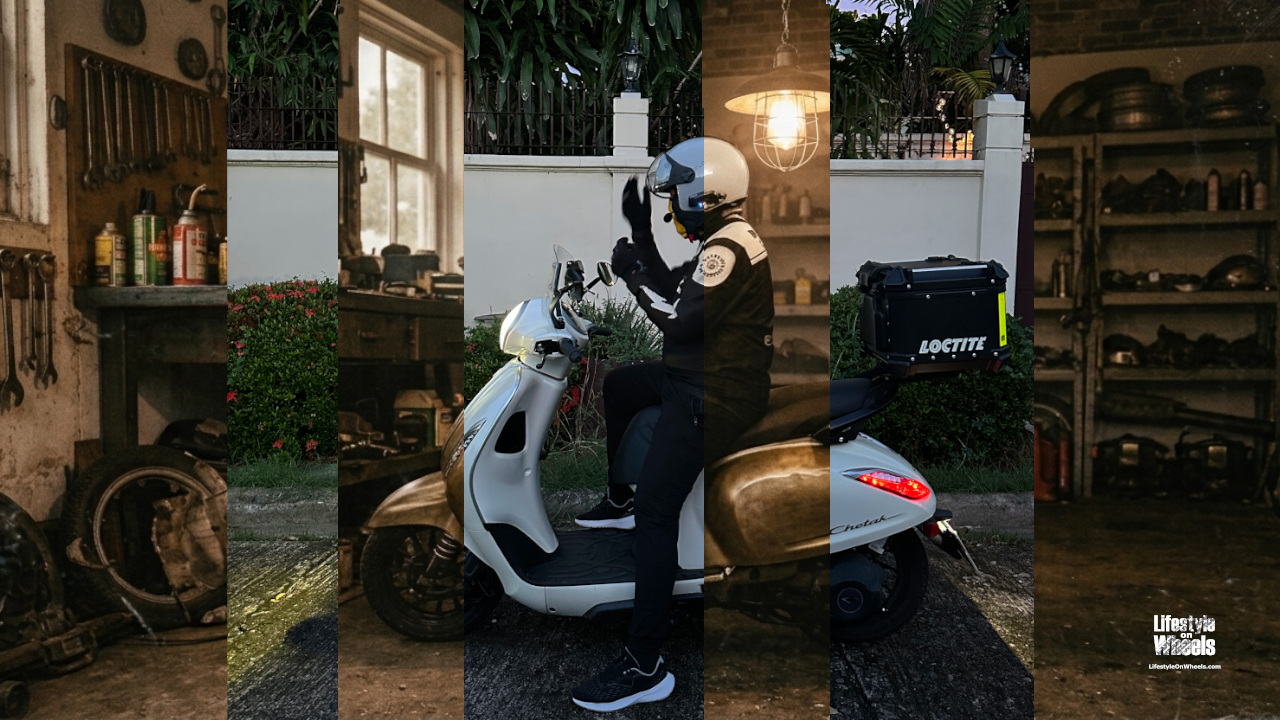
Classic motorcycle enthusiasts know that the love for vintage motorcycles goes far beyond simply riding. Ask anyone who spends their weekends surrounded by motor oil and rusty spanners, and they’ll tell you the exact moment it hits them. It usually happens early on a Sunday morning. The garage door rolls up, spilling out that familiar, rich cocktail of aged gasoline, warm metal, and old leather into the chilly morning air.
To most people, it’s just the smell of an old shed. To a vintage motorcycle fanatic, it’s oxygen.

We live in a world obsessed with plastic-wrapped convenience. Modern bikes are marvels of engineering—they’re lightweight, absurdly fast, and loaded with digital screens that read out your lean angles. But they can also feel completely clinical.
That’s why a surprising number of riders are actively choosing to go backward. They don’t care about setting lap times or tapping through touchscreens. They want grease under their fingernails, kickstarters that bite back, and a ride that actually feels alive beneath them.
What makes someone fall in love with a machine that leaks oil and demands three hours of wrenching for every hour on the road?

Why Classic Motorcycle Enthusiasts Love Mechanical Art
When classic enthusiasts talk about their bikes, the word soul comes up a lot. It sounds sentimental, but it points to something real. Vintage motorcycles leave their mechanical hearts out in the open.
On an old airhead or classic standard, you can trace every cable with your eye. You see the fuel moving, feel the mechanical linkages working, and hear the engine breathing. They aren’t just rides—they’re rolling art made of steel, iron, and aluminum.

A weld that’s a little rough or a seam that’s a hair off isn’t a defect—it’s just character. Modern bikes often try to hide their machinery behind plastic panels. Classic bikes wear their mechanics like a badge of honor.

The Therapy of the Wrench
For true enthusiasts, riding is only half the thrill. The rest happens late at night under a single flickering garage bulb, with an old radio humming in the background and a socket set spread across the floor.

Maintaining an older bike forces you to slow down. You can’t force a stubborn bolt or rush a carburetor tune without breaking something. It takes patience, a subtle touch, and a lot of listening.
In a world where most of our day is spent tapping on glass screens, spending an evening setting points or adjusting throttle play brings a quiet, tactile satisfaction. It clears your head better than almost anything else.

A Ride Through Time

Riding a classic design is probably the closest thing we have to a functioning time machine.
For older riders, rolling on the throttle of a vintage engine instantly brings back the sights, sounds, and sheer freedom of their teenage summer days. For younger riders, it’s a way to tap into a timeless era of road trips, cafe racers, and effortless cool.
When you swing a leg over a machine built on real history, you aren’t just commuting to work—you’re stepping right into a story that started decades before you even turned a key.
The Roadside Brotherhood
This isn’t a lonely hobby, either. It’s a shared language.
Pull up to a gas station on a classic machine, and someone will almost certainly walk over to talk. Older folks will get a nostalgic look in their eyes and tell you about the bike they had to sell when their first kid was born. Teenagers will stop to ask how the kickstart works.
There’s also an unspoken rule among classic owners: if you see someone pulled over on the side of the road with an old machine, you stop and help. Everyone knows that today it might be them, but tomorrow, it’s definitely going to be you.

Can an EV Have a Soul? The Chetak 3503 Dilemma
Purists love to argue that as we move toward electric vehicles, all this mechanical soul is going to die out. They worry we’re heading into a dull future of whisper-quiet plastic scooters that feel more like appliances than real motor vehicles.
Then you take a close look at something like the Chetak 3503.
At first glance, it seems like a contradiction. It runs on a silent electric powertrain, packed with battery tech, ride modes, and a digital display. Yet, the moment you put your hands on it, it hits a very specific nostalgia nerve.

Bajaj didn’t build the Chetak 3503 out of cheap, lightweight plastic panels. They gave it a full-steel unibody frame. It has real physical weight, smooth sheet-metal curves, and a solid, quiet presence that feels substantial under you. It carries the exact visual DNA of the original Chetak scooters that literally mobilized entire generations across decades.

No, you won’t be kicking it to life or cleaning gunk out of a carburetor on a Sunday morning. The garage ritual changes—it becomes about managing range, keeping software fresh, and unplugging the charger before heading out. But the core feeling remains intact.


The Chetak 3503 proves that “soul” was never just about burning gasoline or getting grease on your jeans. It comes down to solid craftsmanship, real character, and buying things built to last. It links old-school style with everyday life, proving you don’t have to stay trapped in the past to ride something that has a heart.


Join Lifestyle On Wheels with Chetak Philippines for exclusive offers and updates #OnWheels and #InLifestyle.


