
By Lifestyle On Wheels
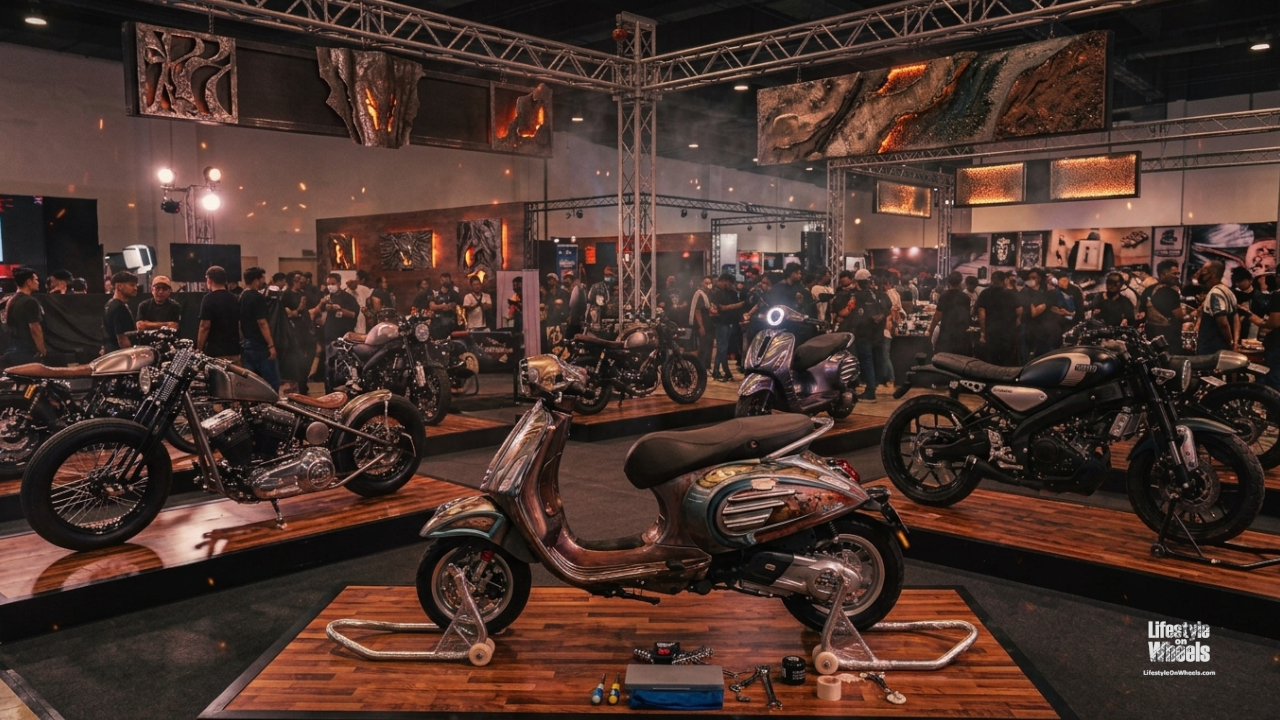
If you stand by the roadside on a Sunday morning, you only see the surface: neat bolt-on parts, shiny anodized levers, and fresh paint. But if you step away from the mainstream weekend meets and head into the back-street talyers and dimly lit home garages across the Philippines, you find the real heart of BUILD Culture PH.
Down here, master metalworkers and backyard tinkerers are doing their thing away from the spotlight. Here, customizing a bike isn’t just about sticking on aftermarket accessories—it’s about taking host models you would never expect to transform and completely rewriting their DNA.


1. BUILD Culture PH: Turning the Impossible into Stance
What defines this deeper level of BUILD culture is raw structural creativity. Riders take everyday 125cc commuter underbones, old-school utility workhorses, or simple displacement platforms and strip them down to bare metal.
Where most people just see a basic daily ride for running errands, these builders see a blank canvas for aggressive, custom geometries:
- Trackers & Scramblers: Cutting subframes, swapping standard wheels for spoked rims with knobby dual-sport tires, fabricating custom high-mount exhausts, and leveling out the tank line for a dirt-ready posture.
- Slammed Bobbers: Stripping down the frame to bare bones, welding on a rigid hardtail, pulling the back wheel out for that long stance, and dropping a single spring saddle low between wide drag bars or tall ape-hangers.
- Cafe Racers & Brat Style: Trimming rear hoops, tucking tight clip-on handlebars under the top triple tree, and hand-shaping fuel tanks for a sleek, vintage racing line.


| Small-Displacement Workhorses | Street Tracker | Tailored subframe, lifted suspension, spoked rims |
| Utility Backbone Models | Rigid Bobber | Welded hardtail, solo saddle, wide drag/ape bars |
| Scooters & Underbones | Neo-Retro Cafe / Brat | Custom bodywork, dropped forks, clip-on bars |


2. The Art of “Disguising” the Host Bike
The ultimate badge of honor in this grassroots community is building a machine so unrecognizable that when you stop at a red light, fellow riders lean over and ask: “Boss, ano’ng motor ‘to nung una?” (“What bike was this originally?”)

These guys aren’t just unboxing pre-made kits they ordered online. Forget buying ready-to-bolt parts off Shopee or Lazada. True local builders make what they need out of raw steel and sheer grit:
- Metal Shaping: Beating sheet metal by hand over wooden blocks to craft one-off fuel tanks, tail cowls, and side panels.
- Chassis Welding: Re-angling steering necks, extending swingarms, and moving shock mounts to get that exact low-slung or aggressive stance.
- Parts Cross-Matching: Fitting front forks from bigger bikes onto small-displacement frames, or adapting old car headlights into industrial front ends.
“Anybody can buy expensive parts off a shelf and call it a build. Real building is taking a frame nobody cared about and turning it into something everybody stops to stare at.”
3. Practical Survival Meets Custom Craftsmanship
Even at this extreme level of custom work, local roads force builders to stay practical. A bike can look like a piece of art, but if it breaks down on Manila’s potholes, stalls in monsoon floods, or fails on unpaved provincial backroads, it won’t earn respect. But what if that custom-built ride can both own the dilemma of being a piece of art and survive on the practicality of roadworthiness?

Riders make sure real-world needs are built directly into their custom designs:
- Hidden Utility: Tucking wiring harnesses, tiny lithium batteries, and electronics inside hollowed-out fake oil tanks or underneath custom seat pans.
- Integrated Lighting: Recessing ultra-bright LED headlights and tiny taillights straight into hand-built frames to keep clean lines without getting run over at night.
- Engineered Reliability: Reinforcing high-stress frame welds and upgrading brakes so slammed bobbers and tall trackers can take daily abuse without snapping.
4. EV Platforms: The Next Frontier
Nobody said a custom build has to smell like exhaust. Local garage culture is officially making room for battery-powered rides. Electric platforms are starting to pull into local garages, showing that going battery-powered doesn’t mean giving up on custom character. A prime example is the Chetak 3503. With its retro lines and tubular frame, it gives builders a clean slate to hack, tweak, and tailor to their own style.

Underneath its retro curves, the Chetak 3503 packs a rigid tubular steel frame and 168mm of ground clearance—giving local builders a solid foundation to work with. On paper, its stock setup (a 3.5 kWh battery, 130 km range, 70 km/h top speed, and signature Angel Eye light) is dialed for everyday city riding. But to local customizers, that stock setup is just a starting point. People are already tweaking them with custom wraps, altered handlebar setups, hand-welded utility racks, and integrated tech, proving that the drive to build isn’t bound by what powers the rear wheel.

The Heart of BUILD Culture PH
At its core, BUILD Culture PH is powered by grit, imagination, and local ingenuity. Because real style isn’t swiped from a parts catalog—it’s forged in local garages, one custom weld, cut, and hand-shaped pipe at a time.


Join Lifestyle On Wheels with Chetak Philippines for exclusive offers and updates #OnWheels and #InLifestyle.


